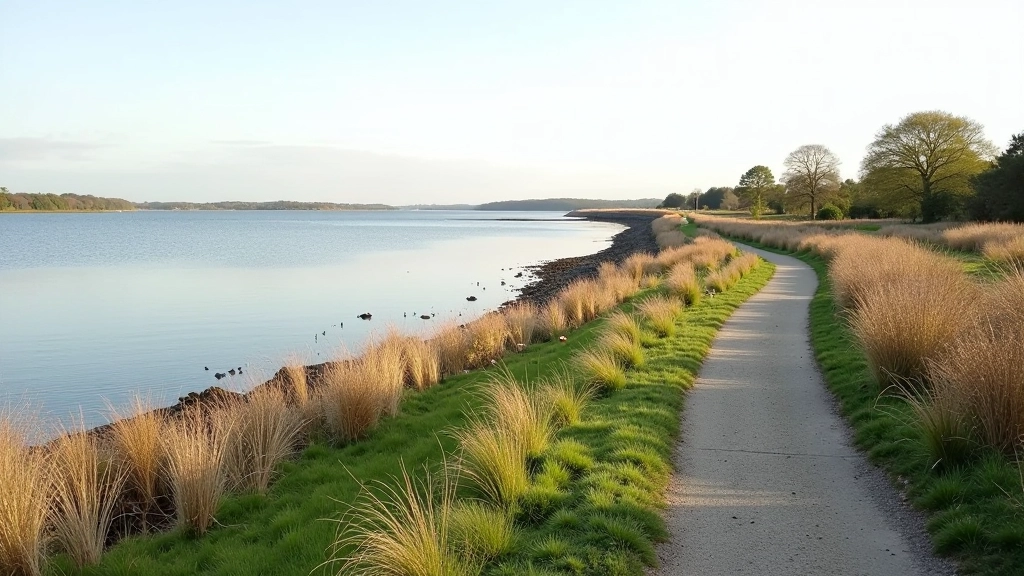

Bull Island Nature Reserve: Dublin's Hidden Gem
A 5km accessible loop walk with excellent bird watching opportunities. We cover parking, facilities, and the best times to spot migratory species throughout the year.

Why Bull Island Matters
Bull Island isn't just another park. It's a working nature reserve that sits right on Dublin's doorstep, protecting over 100 hectares of salt marsh, mudflats, and sand dunes. You'll find it in Dublin Bay, connected to the mainland by a causeway. The island's been designated as a Special Protection Area for birds — which means the species you'll see here are genuinely rare and special.
What makes it brilliant for older walkers? The main loop is flat, well-maintained, and you're never far from facilities. It's not one of those "rough it" nature experiences. Plus, the bird watching is phenomenal. You don't need binoculars or fancy equipment — the birds are there, and they're often close enough to see without any gear at all.
Getting There & Parking
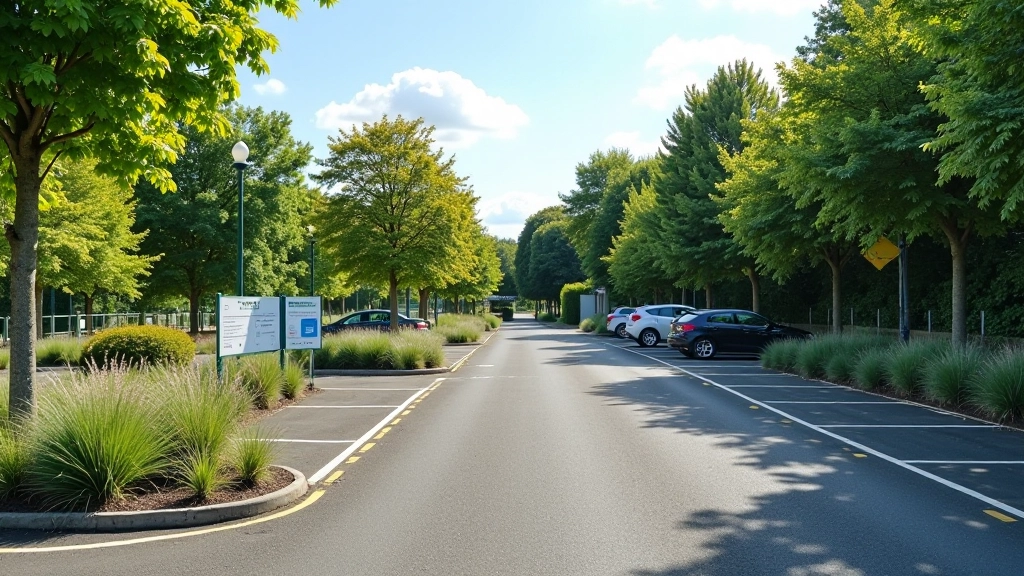
You'll find Bull Island at the north end of Dublin Bay. There's a large car park right at the entrance — it's free and has plenty of spaces, even on busy weekends. The parking area's well-lit and close to the main walking path. Honestly, parking's never been an issue here.
If you're coming by bus, Dublin Bus routes 130 and 131 run near the causeway. The walk from the bus stop is about 10 minutes, fairly flat. There's also a small visitor centre with toilets, water fountains, and benches — you're not roughing it. Opening hours are 9am to sunset, which means you've got flexibility depending on the season.
Pro tip: Arrive early on weekends. You'll get parking closer to the entrance and the birds are more active before crowds arrive.
Important Information
This guide is informational and based on current conditions. Weather, tides, and seasonal changes affect accessibility. Always check with the visitor centre for current conditions before visiting. Wear appropriate footwear — muddy patches appear year-round. Bring water and sun protection even on cooler days.
The Walking Route Explained
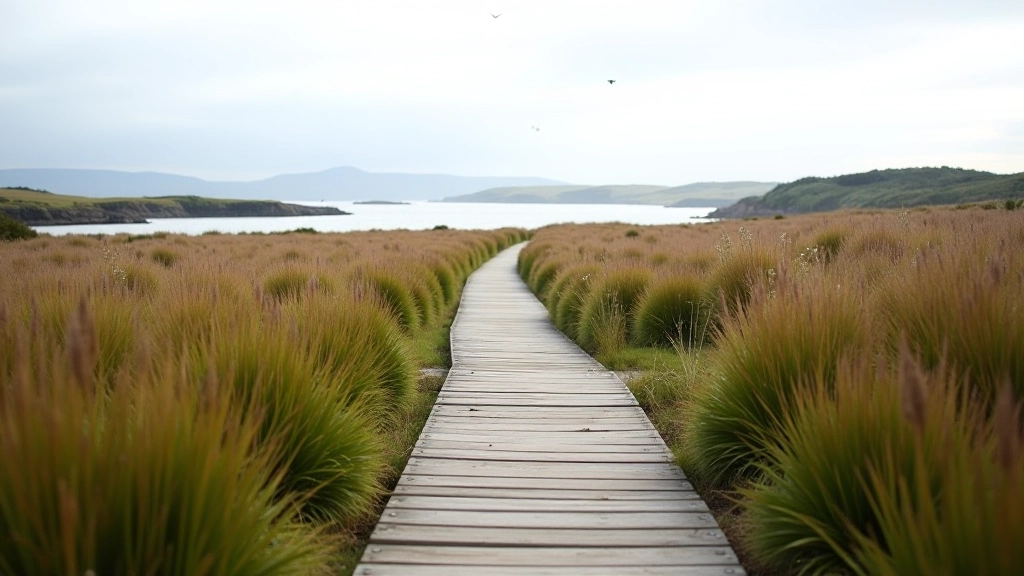
The main loop is 5 kilometres. Don't panic — that's a gentle, doable distance. Most people take 60 to 90 minutes, stopping frequently to watch birds. The path's mostly gravel and tarmac, so it's stable underfoot. There are wooden benches positioned throughout, roughly every 500 metres, so you can rest whenever you need to.
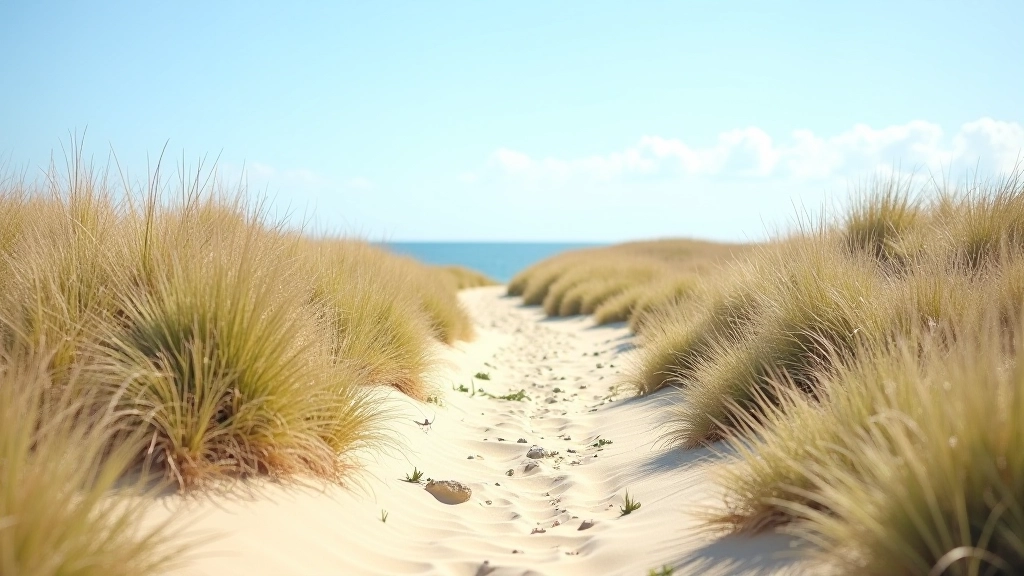
You'll start from the visitor centre, follow the North Bull Wall heading north, then loop back along the sand dunes. The dunes section's the most interesting visually — you get sand, marram grass, and proper habitat for ground-nesting birds. The entire route is marked clearly, and you won't get lost. There's no elevation gain whatsoever — it's completely flat throughout.
1
Start at visitor centre — grab a map, check facilities
2
North Bull Wall — 2.5km straight path, excellent bird spotting
3
Sand dunes loop — 2.5km return, quieter section with best views
What Birds You'll Actually See
The reserve is home to over 200 bird species throughout the year. In winter (November to March), you'll get enormous flocks of knots, dunlins, and oystercatchers. These birds come from the Arctic — they're genuinely impressive in numbers. Spring and autumn bring migratory species passing through. Summer's quieter but you'll see terns, plovers, and nesting birds.
You don't need to be an expert to spot them. The mudflats draw thousands of birds daily. Just stand still for five minutes and watch. Shelduck, redshanks, and herons are common. The grey heron's almost a resident now — you'll see it wading in the shallow pools. Black-headed gulls and common terns nest here. It's genuinely special without being overwhelming.
Best seasons: Winter (December–February) for numbers and variety. Spring (April–May) for migratory species. Avoid mid-summer unless you want fewer crowds.
Facilities & Amenities
The visitor centre has everything you need. There's a café serving basic food and hot drinks — nothing fancy but perfectly adequate. Clean toilets are available (crucial for longer walks). Water fountains are positioned at the centre and along the main path. The centre itself has a small exhibition about the reserve's ecology, which is interesting if you've got 15 minutes to spare.
Benches are dotted along the entire route. You'll find shelter in a few places, though there's no formal covered areas. The paths are accessible for most mobility levels — wheelchairs can manage the main tarmac sections, though the sand dunes section becomes trickier. There's a disabled toilet at the visitor centre. Parking is genuinely accessible with marked spaces.
What to Bring & When to Visit
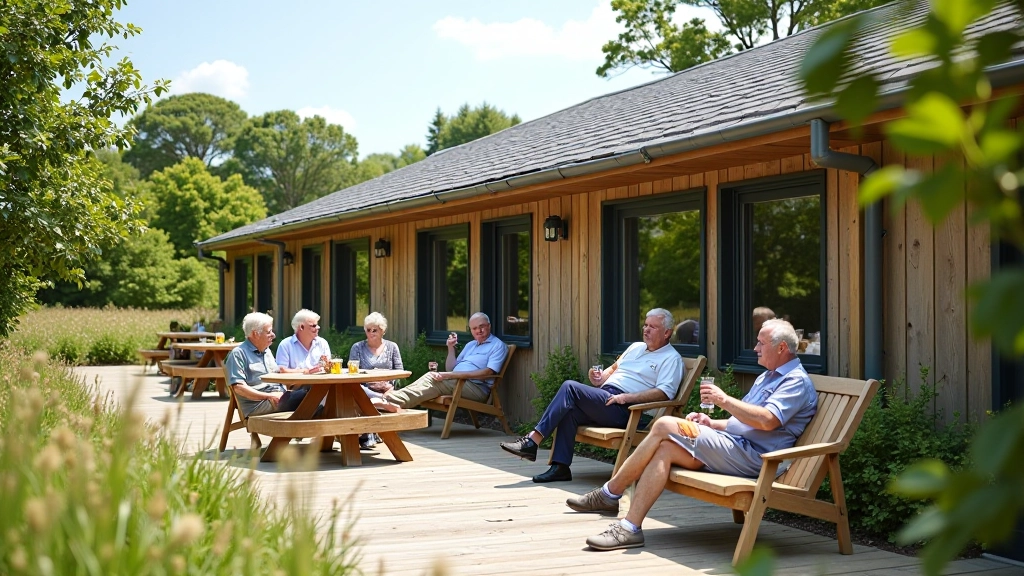
Make your visit comfortable with these practical essentials
Proper Footwear
Waterproof walking boots aren't essential but they're genuinely useful. The paths can be muddy, especially near the dunes. Good grip matters more than waterproofing. Avoid trainers — the gravel path and sand dunes are tougher on regular shoes.
Sun & Wind Protection
There's virtually no shade on the reserve. Bring a hat and sunscreen even on cloudy days — the reflection off water intensifies UV exposure. Wind comes straight off the bay, so a windproof layer helps. In summer, early morning or late afternoon visits are more comfortable.
Hydration & Snacks
Bring water. There are fountains at the visitor centre but not along the route itself. A light snack helps if you're doing the full 5km loop. The café sells drinks and sandwiches but it's pricey — bringing your own is smarter.
Best Times to Visit
Winter (December–February) offers the most birds. Spring (April–May) brings variety. Summer's quieter but busier with tourists. Avoid bank holidays if you prefer fewer crowds. Early morning (before 10am) is always better for bird watching and parking.
Tides & Weather
Tides don't affect the main walking path, but they do affect where birds gather. High tide concentrates birds into smaller areas, making viewing easier. Check the weather — wind can make the exposed areas uncomfortable. Rain is frequent; waterproof jackets are essential gear.
Bird Watching Gear
Binoculars enhance the experience but aren't required. A small notebook and pen let you record species you've seen. Many visitors download a bird identification app. The visitor centre has a bird chart if you want help identifying species — staff are genuinely helpful.
Why You Should Go
Bull Island delivers genuine value. It's accessible, well-maintained, and genuinely interesting. You'll see hundreds of birds, walk through proper habitat, and feel like you've genuinely connected with nature — not just walked around a manicured park. The 5km loop is achievable for most fitness levels. The facilities are decent. The bird watching is legitimately excellent.
It's not crowded because most Dubliners don't know it exists. You'll get peace and space while being minutes from the city. Bring water, wear decent shoes, and spend two hours here. You'll understand why this reserve matters — and you'll want to come back.